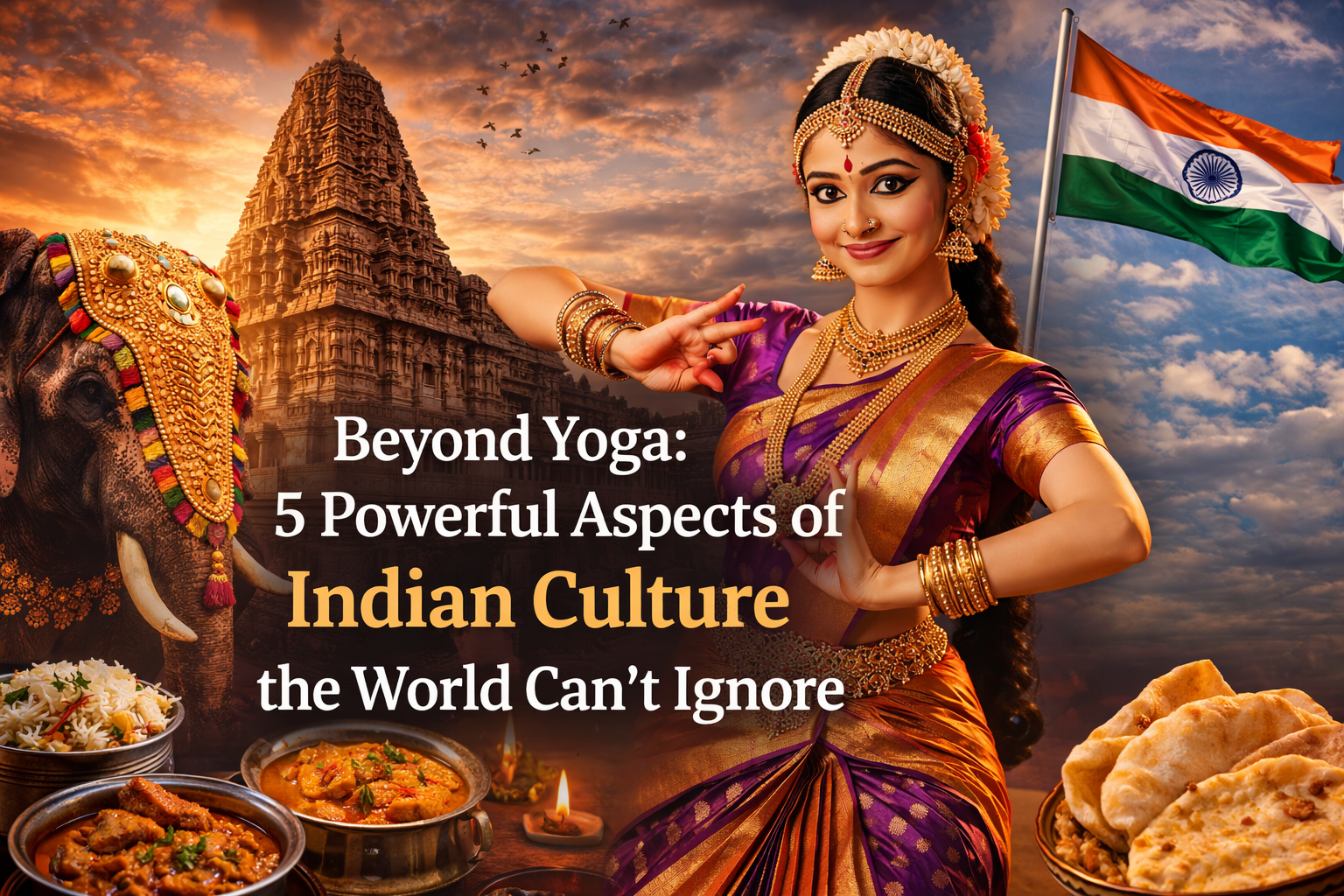
In the last ten years, yoga has shown the growing admiration for the Indian knowledge system in the Western world. So much so that the United Nations decided to celebrate the International Day of Yoga every year on June 21 (adopted in 2014 with support from 177 countries).
Yoga has received international acclaim due to its overall benefits for the mind, body, and soul of the practitioner. However, there are still various less-acclaimed features of Indian culture that have mesmerized the Western world.
For example, people across the globe are astonished by Indian cultural attire. There is a strong interest in Indian cuisine, traditions, spirituality, and artistic talent.
A few years ago, I read somewhere that Western people in airports get shocked when they see a younger Indian touching the feet of elders. Such pictures are truly alien to Western culture but are very much the basis of Indian society.
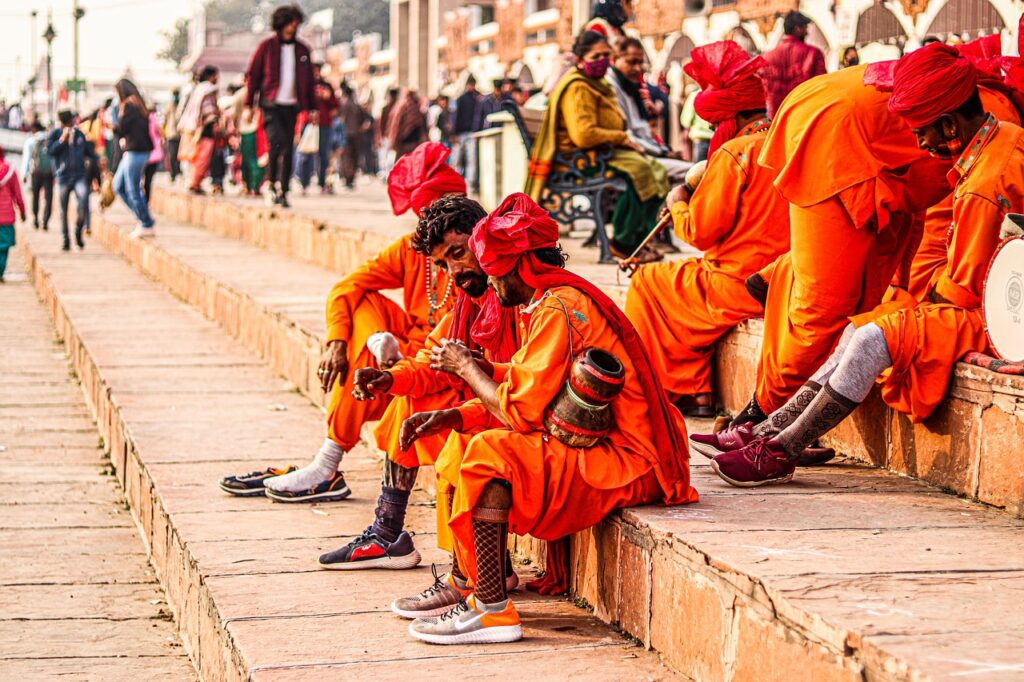
Indian Philosophy and Thought Leadership
We all know about the great speech of Swami Vivekananda in America in 1893 at Chicago. That speech can be termed a landmark moment for Indian philosophy on the global stage.
Afterwards, the thoughts of Osho, Sri Aurobindo, Mahatma Gandhi, and Rabindranath Tagore provided moral strength and direction to the world.
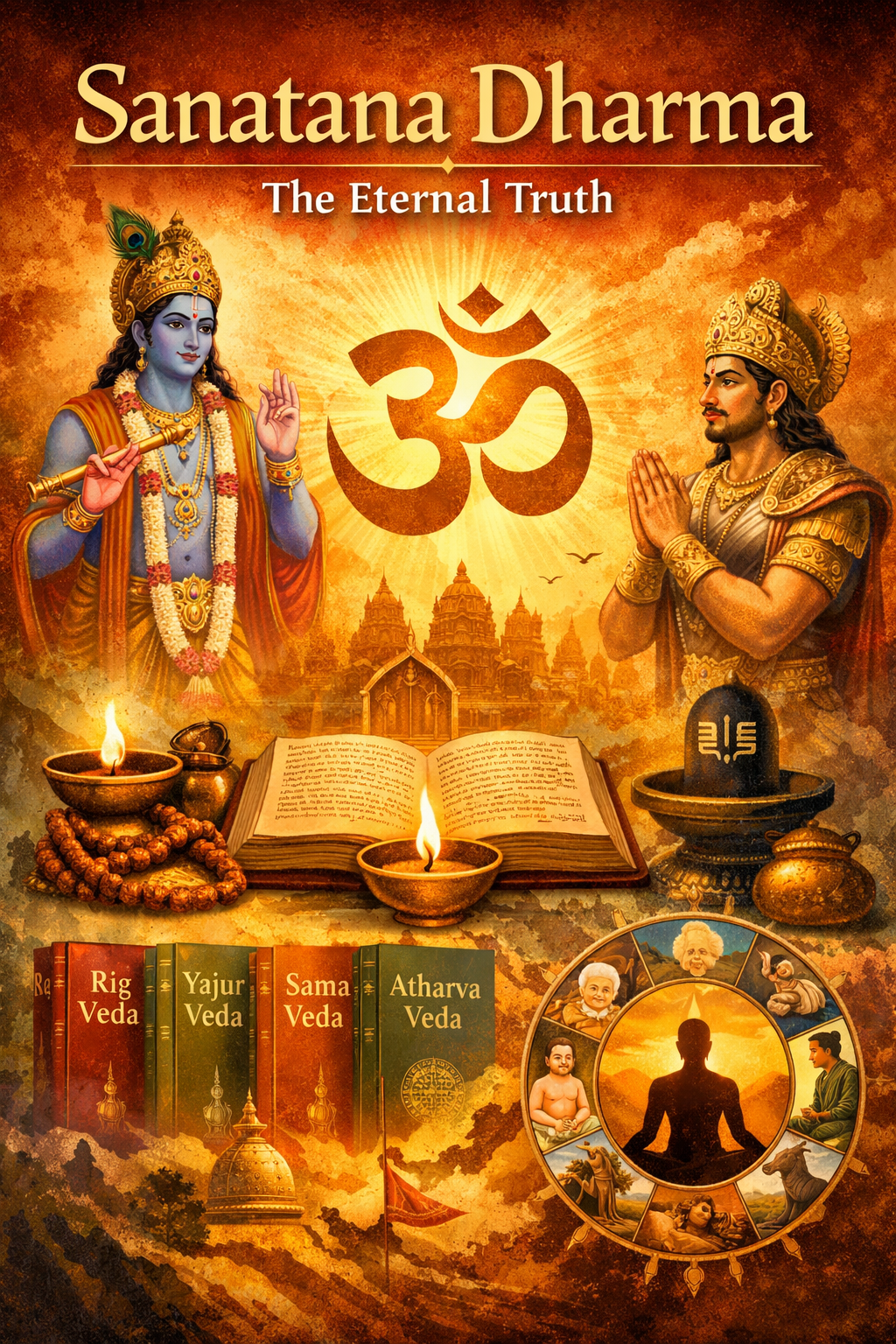
The International Society for Krishna Consciousness must also be credited for its efforts in introducing the Bhagavad Gita to a global audience. The Bhagavad Gita and the Ramayana are among the most famous spiritual texts in the world. Combined with the Vedas, Upanishads, and Buddhist texts, these works remain timeless treasures of spirituality worldwide.
Indian Music
We all know about the affection that Indian Hindi cinema music receives around the world, but let us focus on Indian classical music and the impact it has created across the Western world.
Musicians like Pandit Jasraj, Ravi Shankar, Shivkumar Sharma, and M. S. Subbulakshmi were widely celebrated for taking Indian classical traditions to global audiences.
In recognition of his immense contribution to music, an asteroid named (5183 Ravishankar) was named after Ravi Shankar.
Modern musicians such as Hanumankind, Kailash Kher, and Anoushka Shankar also receive international appreciation for their work.
Indian Dances
There is a famous image of Michael Jackson dancing with Indian performers. This iconic image is an example of growing cultural influence across the globe.
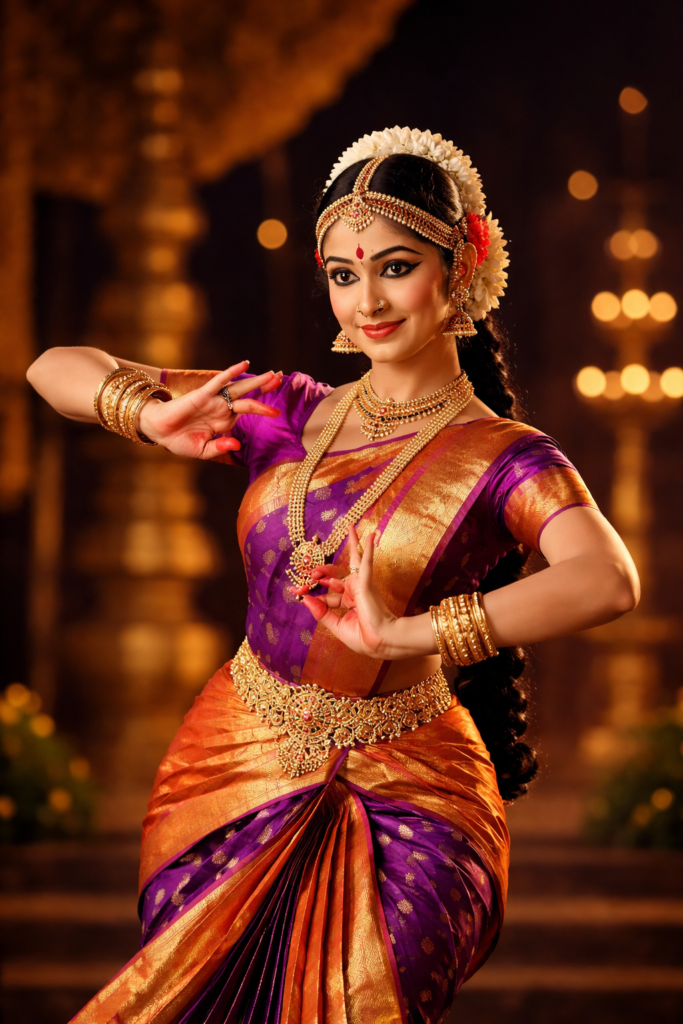
India organizes the Khajuraho Dance Festival every year in Madhya Pradesh. The rising number of foreign tourists attending such events tells us about the impact of Indian classical dance forms such as Kathak, Kuchipudi, Bharatanatyam, and Odissi across the world.
The festival is held near the famous temples of Khajuraho and showcases some of the finest classical dancers of the country. Over the years, artists and visitors from different parts of the world have attended the festival, showing the global reach of Indian dance traditions.
The Festival Culture of India
India is one of the prominent tourist destinations in the world. According to the Ministry of Tourism data (pre-pandemic figures), around 10 million foreign tourists visited India annually. This shows the global appeal of the country.
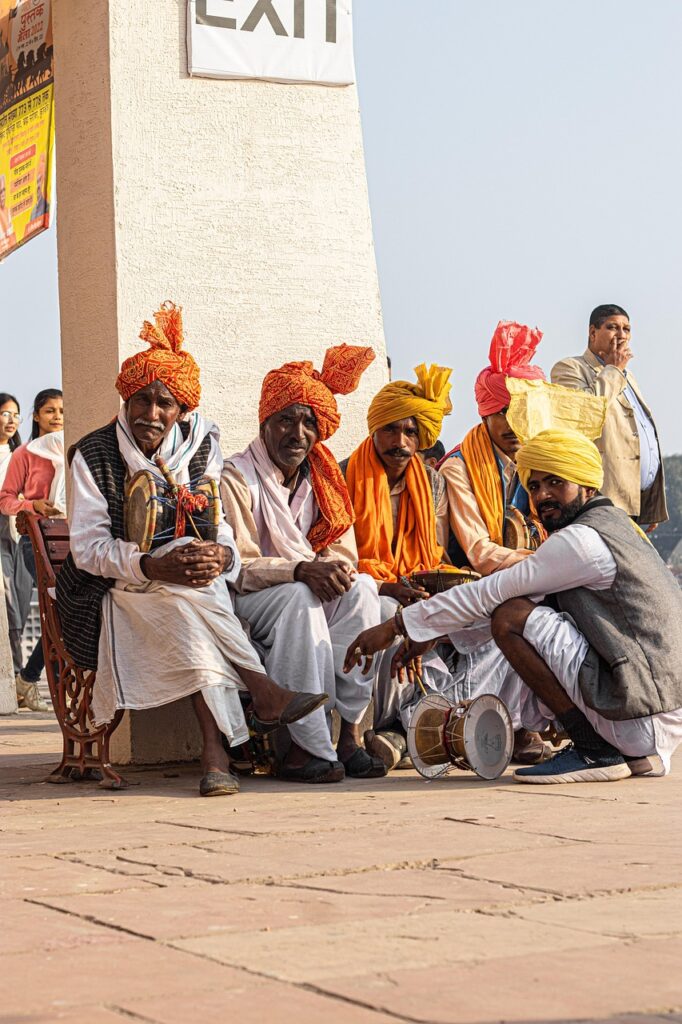
Foreigners often visit India during major festivals for more excitement and cultural experience. India has a vibrant and colorful culture of festivals. From Holi to picturesque Deepavali, tourists enjoy festivals in Varanasi, Mathura, and Jaipur.
With the Indian philosophy of Vasudhaiva Kutumbakam (the whole world is one family), tourists feel included in these festivals. This feeling of inclusiveness is rare, as very few places in the world offer such participation to visitors.
Guru–Shishya Parampara (Tradition)
Steve Jobs and Mark Zuckerberg visited India in their early years and were connected with the Neem Karoli Baba Ashram in Uttarakhand. Similarly, lakhs of people from across the globe see India as a place for spiritual guidance.
This is possible due to the tradition of Guru–Shishya Parampara — the passing of knowledge from guru (teacher) to shishya (disciple).
Almost all the sampradayas in India follow the guru–shishya parampara. This helps in the direct passing of knowledge from guru to disciple.
Ayurveda
Scientists in America were fascinated after researching the health benefits of turmeric and other herbs. They discovered that these remedies were already described in Ayurveda centuries ago.
Ayurveda comprises various medicinal plants known for health benefits along with relatively low side effects when practiced properly. This feature of the Ayurvedic medicine system has popularized it across the world.
Indian indigenous medicine systems known as AYUSH comprise Ayurveda, Unani, Siddha, Homeopathy, and Sowa Rigpa. India is also emerging as a destination for health and medical tourism.
Indian Diplomatic Knowledge
India’s External Affairs Minister once referred to Shri Krishna and Shri Hanuman as examples of strategic wisdom from ancient texts. It is evident from ancient literature that Indian thought contains early theories and principles of diplomacy.
One of the most analytical texts on diplomacy comes from India — the Arthashastra written by Kautilya (Chanakya). Another important work is Chanakya Niti.
The Arthashastra explains four methods of diplomacy: Sama (dialogue), Dama (incentive), Danda (force), and Bheda (strategy). It also presents the Mandala theory of foreign policy, which scholars still study today.
The Bhagavad Gita is another important text where Shri Krishna explains dharma, non-violence, and the complexity of war when righteousness is under threat. The text continues to influence Indian political and diplomatic thought.
Conclusion
The world has often taken inspiration from the East when it comes to spirituality, but there are various philosophies of India that have created a huge impact on people across the globe without always being directly acknowledged.
From Indian cinema to the innovations of Indian Space Research Organisation, the world is looking toward India as a source of both ancient knowledge and modern development. From the Indus Valley Civilization to the modern era, India has shown an evolving and interesting picture to the world in fields such as sports, economy, literature, science, and polity.
Abhinay Shukla is a cultural commentator and founder of The Indic Way, a platform dedicated to presenting India’s heritage with clarity and pride. His work focuses on civilizational identity, geopolitics, and cultural resurgence.
FAQs
1. Is Indian culture only about yoga and meditation?
No. Yoga is just one part of India’s vast cultural identity. Indian culture includes classical dance, festivals, temple architecture, spiritual philosophy, Ayurveda, food traditions, and family values that influence millions across the world.
2. Why is Indian culture becoming more popular globally?
Because people are searching for deeper meaning, balance, and heritage. From Ayurveda to classical arts and spiritual festivals, Indian traditions offer something beyond material lifestyle, and that attracts global interest.
3. How does Indian culture influence the modern world today?
Indian culture influences wellness trends, spirituality, fashion, music, cinema, and even food habits. Many global practices today have roots in ancient Indian traditions, even if people don’t always realize it.**

4 thoughts on “Beyond Yoga: 5 Powerful Aspects of Indian Culture the World Can’t Ignore”